
Rebounding Stock Futures Help Bitcoin Recover Above $61K
Bitcoin recovered above $61,000 as rebounding U.S. stock futures helped the cryptocurrency bounce back from a weekend plunge to $55,300, though ongoing ETF redemptions and expected Federal Reserve rate hikes continued to challenge sustained momentum.


Bitcoin (BTC) climbed to $61,284 at 12:07 UTC on November 23, 2026, bouncing back following a weekend plunge to $55,300 as U.S. stock futures rose. CoinGecko data showed the 24-hour gain stood at 0.36%.
The recovery placed the asset roughly 11% above its weekend trough. However, this rebound lacked strong support, as spot Bitcoin ETF redemptions continued and traders priced in a Federal Reserve rate increase for the December meeting, both of which challenged sustained buying momentum.
Bitcoin Recovers Above $61,000 After Breaking Below $60,000
How Did the Weekend Sell-Off Unfold?
Bitcoin dipped below $60,000 on Friday amid a technology stock sell-off sparked by Anthropic’s IPO. The price subsequently touched $55,298—marking its lowest point since September 2024—before staging a weekend recovery.
Read More: Why Is Bitcoin Crashing? BTC Price Plunges Toward $55,500
By Sunday, the cryptocurrency had climbed back over $61,000. Monday’s trading session built upon those gains as U.S. stock futures rebounded to reclaim territory surrendered during the drop.
Technology Stocks and Forced Selling Shaped Bitcoin’s Reversal
Why Is Bitcoin Going Up After the Weekend Drop?
In premarket activity, Nasdaq 100 futures increased by 3% and Nvidia shares advanced 8%. S&P 500 futures grew nearly 3%, hinting at a potential halt to the equities market losing streak.
These gains followed a severe week for tech equities. Nvidia dropped 23%, and seven consecutive losing sessions dragged the S&P 500 into correction territory. The premarket advances on Monday provided a more stable backdrop prior to the opening of regular U.S. trading hours.
Neil Steinhardt, head of Nexo U.S., described the weekend downturn as part of a wider market correction that also impacted gold and equities. He noted that equities led the sell-off while ETF outflows amplified Bitcoin’s losses.
How Did Forced Selling Accelerate the Fall?
Alex Kuptsikevich, chief market analyst at FxPro, highlighted the automatic activation of stop-loss orders late Friday and early Saturday. As prices breached these thresholds, cascading sell orders followed.
Tim Sun, senior researcher at HashKey Group, pointed to technology sector losses, expectations of tighter monetary policy from the Federal Reserve, and global risk-asset deleveraging. More than $2 billion in leveraged liquidations over the weekend cleared out short-term selling pressure, paving the way for a potential bounce.
Together, these factors illustrate simultaneous pressure from traditional financial markets and crypto positioning. The stock market decline weakened overall sentiment, while forced closures deepened the downward move.
Bearish Positioning Helped the BTC Bounce but Left a Warning
What Happened to Traders Betting Against Bitcoin?
Binance funding rates turned negative near the lows as short positions accumulated. When prices reversed, these short sellers faced mandatory liquidations, contributing extra buying interest to the recovery.
A CryptoQuant analyst viewed the heavy concentration of bearish positioning as a potential contrarian indicator, though they also warned that negative funding rates have historically preceded failed rebounds.
What Does Earlier November Trading Suggest?
Market sentiment regarding Bitcoin had also turned pessimistic earlier in November. After surging past $80,000, the price dropped sharply to lower lows within days—serving as a recent reminder that steep recoveries can quickly evaporate.
Santiment emphasized that the combination of extreme fear and price stabilization provides a more reliable bottom signal than fear alone, noting that the recent bounce had not yet demonstrated the prolonged stabilization required by that metric.
How Did Van de Poppe Frame the Recovery?
Analyst Michaël van de Poppe observed that crashes of this magnitude had occurred only 10 times over a 9.5-year period. Each instance was historically followed by a 15% to 40% rebound within weeks, though he drew a clear distinction between a temporary bounce and a definitive market bottom.
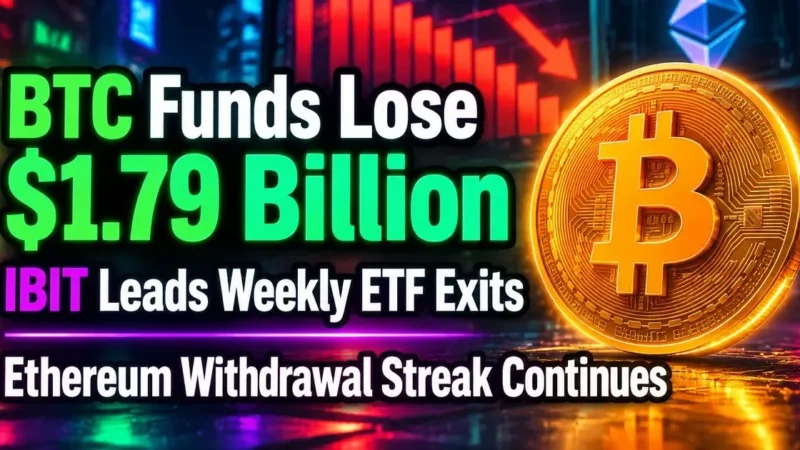
Related: Weekly Bitcoin ETF Outflows Hit $1.8B as Ethereum Extends Eight-Week Retreat
In his Sunday outlook, van de Poppe stated that a weekly close above $58,000 would increase the probability of a relief rally. Conversely, a failure to hold that level pointed to a downside target range between $51,000 and $53,000, making the weekly close a critical metric.
Bitcoin ETF Outflows Remain a Drag on Demand
How Persistent Has the ETF Selling Been?
U.S. spot Bitcoin ETFs were on track for their third consecutive week of net redemptions, with selling persisting through both the drop below $60,000 and the subsequent climb above it.
Net outflows for November reached $4.14 billion. Total assets under management for these funds dropped to $71.3 billion—the lowest valuation since June 30—as redemptions and falling asset prices impacted the funds.
Steinhardt identified ETF liquidations as an ongoing headwind during the downturn, while Sun noted that a return of institutional inflows would be vital for sustaining any recovery.
What Did Glassnode See in ETF Activity?
ETF trading volumes fell below their median levels established since the products launched, with daily withdrawals hovering near $260 million. This subdued activity reflected lower market participation alongside continuous redemptions.
This dynamic contrasted sharply with mid-2024 conditions prior to Bitcoin’s push toward $100,000. Sun maintained a cautious short-term outlook, anticipating volatile consolidation without a clear bullish catalyst over the following one to two weeks.
Fed Rate Expectations Add Pressure to Bitcoin’s Outlook
What Rate Increase Were Traders Pricing?
At 6:00 a.m. ET on Monday, the CME FedWatch tool indicated a 96.2% probability of a 25-basis-point rate hike at the upcoming December meeting, while expectations for unchanged rates stood at just 3.8%.
The likelihood of a quarter-point increase climbed from 88.6% on Friday, reflecting persistent expectations of tighter monetary policy despite the recoveries in Bitcoin and stock futures.
Where Did the Half-Point Scenario Stand?
FedWatch placed the probability of a half-point rate increase at zero on Monday, down from 4.5% the prior week, as market participants concentrated their bets on the smaller adjustment.
Despite this, Steinhardt noted that an upcoming core inflation report could provide clarity on whether policymakers favor a 25 or 50 basis point move, placing the inflation data at the center of upcoming policy debates ahead of the Fed meeting.
Why Does the Growth and Inflation Mix Matter Now?
Sun cautioned that weakening economic growth expectations alongside persistent inflation could simultaneously threaten two key supports for risk assets. Rate hikes would tighten financial conditions, while softer growth outlooks would reduce investor appetite for risk.
This macro combination helped explain the recent weekend volatility. Sun’s more optimistic scenario depended on cooler inflation, steady equity markets, and renewed ETF inflows, tying Bitcoin’s prospects to both broader macroeconomic trends and direct fund demand.
Bitcoin’s Recovery Faces Renewed Selling Risk
What Would Bring Lower BTC Levels Back Into View?
Arthur Hayes warned on Saturday that $50,000 would serve as the next major test if the Nasdaq extended its losses. By Sunday evening, as Nasdaq futures softened during Asian trading hours, he discussed the possibility of retesting $55,000.
These warnings remained dependent on continued weakness in the technology sector. Monday’s stronger stock futures improved the immediate outlook, though the weekend low served as a reminder of how quickly selling pressure can mount.
What Could Interrupt a More Durable Recovery?
Sun stated that hotter-than-expected inflation data and additional losses in tech equities could drive the cryptocurrency back toward previous lows, leaving room for high-volatility consolidation and sharp price swings over the next one to two weeks.
Ongoing ETF outflows present an additional obstacle. While higher prices paired with returning inflows would satisfy one of Sun’s recovery criteria, persistent redemptions would remove vital support.
Kuptsikevich maintained a more constructive outlook on current price levels, though he suggested that risk-averse investors might wait for a recovery above Bitcoin’s 200-week moving average—a threshold positioned higher than current trading values.
Inflation and Jobs Data Are Bitcoin’s Next Scheduled Tests
What Should Traders Watch After Monday’s Recovery?
The near-term calendar features the release of October’s Personal Consumption Expenditures (PCE) inflation figures, followed by the November employment report on December 4. These reports will offer further insights into inflation and economic health ahead of the Federal Reserve’s December meeting.
Remarks from Fed Chair Kevin Warsh and other officials will also influence expectations. Steinhardt specifically pointed to the core inflation metrics as key indicators for determining the potential magnitude of any rate adjustment.
Which Developments Would Strengthen the Recovery Case?
Sun outlined three key conditions to monitor: cooler inflation readings, stabilization in equity markets, and a resurgence of ETF inflows. Together, these elements would help alleviate the macroeconomic and fund-demand pressures that fueled the recent sell-off.
Equities markets will provide an early test of Monday’s optimism, with Nasdaq and S&P 500 futures strengthening ahead of the U.S. opening bell while Nvidia attempts to claw back losses from the prior week.
For Bitcoin, the coming days will determine whether buying activity triggered by liquidations can persist as immediate pressures subside, with upcoming economic releases and ETF activity dictating the broader market environment.
FAQ
When Is the Next Federal Reserve Meeting Cited in the Reports?
The next meeting is scheduled for December 9, 2026. Monday’s market pricing favored a quarter-point increase, with a 3.8% probability assigned to unchanged rates.
Which Inflation Release Are Traders Watching Next?
October’s personal consumption expenditures inflation data is due Wednesday. Nexo U.S. head Neil Steinhardt specifically highlighted the core reading as a guide to the potential size of the Fed’s next move.
How Much Did Spot Bitcoin ETFs Lose on Friday?
Friday’s net withdrawals totaled $669.2 million, based on SoSoValue figures. That was the largest single-day outflow since June 25.
What Does Santiment’s 0.77 Reading Describe?
It is the ratio of bullish to bearish Bitcoin comments, which recovered to about 0.77 after falling to 0.59. Bearish comments still outnumbered bullish ones at the higher reading.
Which Positions Accounted for Most Forced Liquidations During the Rebound?
Short positions accounted for about 87% of forced liquidations in the preceding-day period covered in Sunday’s analysis, citing CoinGlass. Those bearish positions came under pressure as Bitcoin moved higher.
What Was the Coinbase Bitcoin Premium Index Reading?
Bitfire Research placed the preceding week’s low at negative 0.23%. Bitcoin was trading at a discount on Coinbase relative to Binance, which the firm associated with heavy U.S. spot selling.
Which Longer-Term Price Marker Did FxPro Identify?
FxPro’s Alex Kuptsikevich placed Bitcoin’s 200-week moving average at $68,200. He identified a recovery above that level as a potential reversal signal for more cautious investors.
This article is for information only and is not financial advice.

Web3 PR Specialist | KOL | Blockchain Advocate | Digital Strategy Expert based in Moscow, Russia. Focused on Web3 communications, blockchain, digital strategy, and community growth.
More from this author

Comments 0 responses