
Everygen AI Pitches Video Ads From Product URLs With AI Avatars
Everygen AI offers a platform for generating video ads using product URLs or proven ad formats, incorporating automated scripting, editing, voiceovers, realistic avatars, and ad-cloning capabilities.

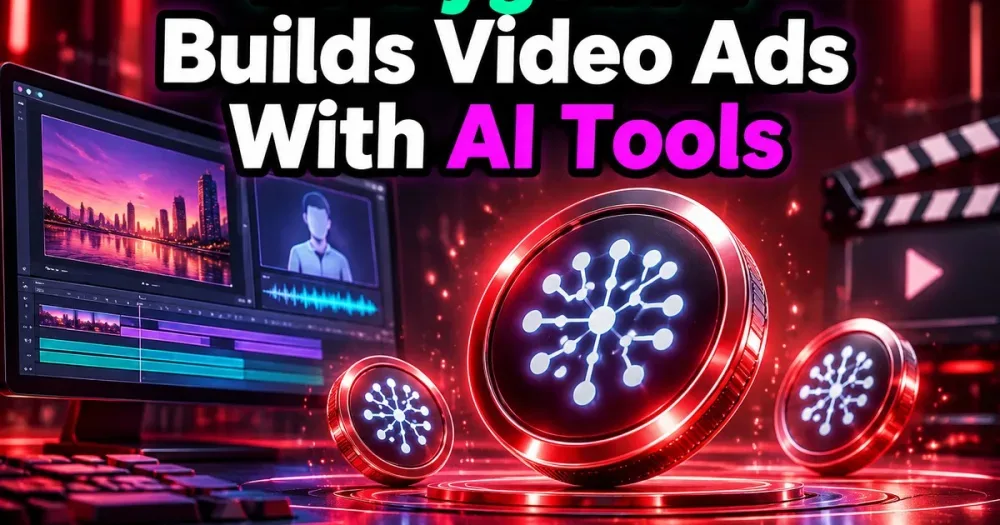
Everygen AI details a system for generating AI video ads that begins with either a product URL or a proven ad format. According to its product page, the process encompasses writing scripts, editing, producing voiceovers and b-roll, and incorporating templates alongside realistic avatars.
Additionally, the product text highlights a capability to replicate an existing ad’s framework using a different voice and avatar.
What Everygen Says Its AI Ad Tool Does
What is the core offer?
Everygen positions itself as a platform for generating video ads via AI. The product page structures this as a comprehensive production workflow rather than a single tool that merely outputs a completed video.
While the promotional copy describes its templates as proven and capable of producing ads that convert, the page text lacks customer results, conversion rates, or comparative benchmarks.
What kinds of videos does it target?
The specified formats encompass user-generated content (UGC)-style videos, YouTube Shorts, and AI ads. The product material frames the output broadly as video ads without detailing further supported platforms outside of those examples.
How Everygen Presents the Ad-Creation Workflow
Starting from a format or product URL
Everygen indicates that users can commence the process using a product URL or a proven format. This setup points to two potential entry points: leveraging a product page as source material or adapting an existing ad strategy.
The copy omits specifics regarding what data the tool extracts from a URL, the required subsequent user actions, or the extent of editing needed prior to finalizing an ad.
Production tasks in one process
The outlined workflow incorporates voiceover generation, scriptwriting, editing, and b-roll production. The product page links these as cohesive components of ad creation, though it does not clarify which steps function automatically or the level of control users maintain over individual stages.
Furthermore, Everygen promotes realistic avatars, though the page supplies no technical information regarding their generation process or any usage constraints.
Templates, Avatars and Ad Cloning
What the template library offers
Everygen outlines a collection of established ad templates. The product copy frames these as a means to begin with a tested format, but it leaves the specific templates unidentified, omits selection criteria, and provides no performance metrics.
How the cloning feature is described
The product page indicates that users can upload a successful ad and produce a new version featuring an alternative voice and avatar while preserving the original layout. However, the page neglects to address how the software manages likeness rights, permissions, or associated restrictions when users supply an existing ad. Such considerations are critical when modifying creative material, particularly if it incorporates another party’s voice or image.
Who Is Behind the Everygen Product
The product documentation identifies the software simply as Everygen, omitting the names of its founders, any parent organization, or corporate affiliations. It directs users seeking assistance to a support team without disclosing broader organizational details.
The available material contains no references to a launch history or identifiable leadership.
What the Product Copy Shows About Performance
Everygen’s phrasing highlights “winning” formats and ads designed to “actually convert,” yet the page presents no empirical data to substantiate how frequently these methods succeed.
The product description omits usage figures, pricing, customer totals, and benchmark comparisons. Consequently, the feature set advertised by Everygen represents the primary available insight rather than its efficacy relative to alternative ad software.
Risks and Evidence Limits in Everygen’s Claims
Statements regarding proven templates and conversion potential function as marketing rhetoric rather than verifiable outcome data within the product copy. Advertisers assessing the software must evaluate the output based on their own campaign objectives and metrics.
Additionally, the page offers minimal insight into the limitations, user controls, or rights protections associated with the ad-cloning workflow. These factors may influence how a company utilizes uploaded advertisements, generated voiceovers, and avatars.
What Everygen Says Users Can Do Next
The product page encourages users to begin with a product URL or format, referencing step-by-step instructions for cloning ads, building UGC-style videos, and expanding AI ad generation. It also routes users to support resources for unresolved inquiries.
The existing text announces no specific updates, launch dates, or upcoming milestones. For prospective users, the immediate course of action involves exploring the documented workflow and instructions.
FAQ
What is Everygen AI?
Everygen describes an AI tool for creating video ads. Its listed features include templates, avatars, scripts, editing, voiceovers and b-roll.
Can users start an ad from a product URL?
Yes. The product page lists a product URL as one possible starting point, alongside a proven ad format.
What video formats does Everygen mention?
The page names YouTube Shorts, UGC-style videos and AI ads. It does not list a broader set of supported destinations in the supplied product description.
What does Everygen’s ad-cloning feature do?
Everygen says users can upload an ad and create a version with a new avatar and voice while retaining the same structure. The copy does not supply measured results for this feature.
Does Everygen provide evidence that its ads convert?
The product page uses conversion-focused promotional language but does not include conversion rates or customer results. Its claims should be read as a description of the product’s pitch.
What guidance does Everygen offer users?
The product copy points to step-by-step guides on creating AI UGC, cloning ads and scaling AI ad production. It also directs users to its support team for questions.

Web3 PR Specialist | KOL | Blockchain Advocate | Digital Strategy Expert based in Moscow, Russia. Focused on Web3 communications, blockchain, digital strategy, and community growth.
More from this author

Comments 0 responses